Daryl Urbanski · Best Business Coach
Business
Intelligence
Stop flying blind. Build the data systems, KPIs, and decision frameworks that turn raw information into a lasting competitive advantage.

Stop flying blind. Build the data systems, KPIs, and decision frameworks that turn raw information into a lasting competitive advantage.
Business Intelligence is the systematic practice of analyzing business information to support and improve management decision-making. It combines data mining, statistical analysis, and reporting tools into one coherent system.
BI improves marketing campaigns, supply chain management, and customer understanding — giving businesses the insight to make informed decisions on inventory, pricing, and production rather than relying on guesswork.
"BI is like an Instrument Rating for business owners — it gives you the gauges to navigate confidently when visibility is zero."

BI tools specialize in data analysis, queries, and reporting — giving decision-makers a live view of the business at any moment.
Statistical analysis and data mining surface patterns that turn raw numbers into actionable signals.
Ad hoc reporting lets users generate custom views on the fly — no waiting on predefined templates.
Live dashboards consolidate every critical metric so leadership always knows where the business stands.
Hospitals, police departments, retail chains, and banks all already rely on BI solutions to solve real operational problems.

Lead tracking is essential in the lead management process. It means monitoring activity across all marketing channels and pursuing the right actions to close a sale. By identifying your sources and choosing the right tools, you pursue the leads most likely to drive profitable growth.
Determine & define your lead sources
Set up your system and test it out
Input leads or import from another tool
Nurture leads and track all activities
BI has five key factors that — working together — help businesses identify opportunities and threats, make better decisions, and gain sustainable competitive advantage.
Data analytics helps businesses gain insights on customers, make better decisions, improve efficiency, and increase profits. Predictive analytics surfaces growth opportunities before competitors can act.
Your storage infrastructure has a massive impact on business agility. From relational databases to NoSQL systems and data warehouses — each has distinct tradeoffs worth understanding.
A well-managed database is the foundation of all BI activities. Without accurate, accessible data it is impossible to generate reliable decisions.
Understanding your business processes in detail allows you to change them intelligently — optimizing resources, reducing costs, and making smarter decisions backed by real operational data.
Outcome-based objectives give the entire BI system direction. By setting specific goals, businesses can evaluate success, make necessary adjustments, and identify areas for improvement with precision.
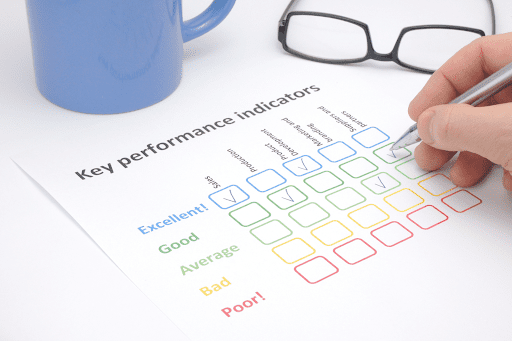
KPIs transform the abstract goal of "doing better" into measurable, trackable benchmarks. They give decision-makers the data to prioritize resources, allocate budgets, and monitor trends — catching risks before they escalate.
OKRs and KRAs extend this further — ensuring every team member works toward the same measurable outcomes with full visibility on progress.
Many business owners are operating without any feedback loop. Think of it like a pilot who never earned an Instrument Rating — flying in fog with nothing but instinct. Business Intelligence is the business equivalent of that rating.
Without BI, businesses struggle to make decisions, miss growth opportunities, and fail to identify threats until it's too late. Without data to analyze, the business is guessing — and guessing is expensive.
✓ Start by tracking your KPIs. Build out your data collection, management, and analytics layers. Every business gets safer once you have the right instruments to read.
Daryl Urbanski works directly with business owners to implement the data frameworks, KPIs, and BI tools that drive real, measurable growth.
Book a Discovery Call